01
Children as curious learners
We see children as active participants who observe, ask and propose — not as passive recipients of rules.
Children & community
Children often carry what they learn home: a reminder to close the tap, a question about where the rubbish goes. In this way, environmental learning travels from children to families and from families to neighbourhoods.
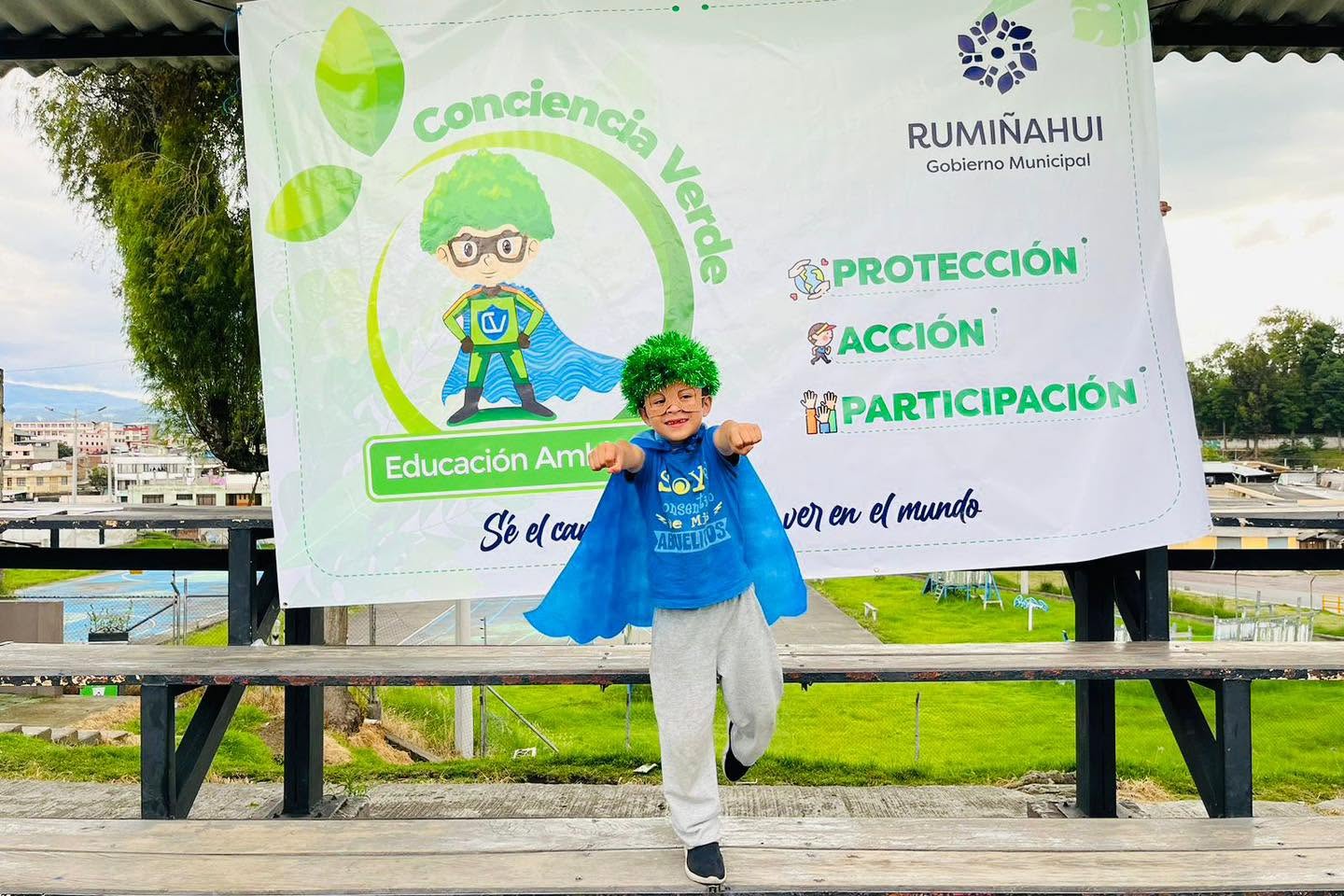
We see children as active participants who observe, ask and propose — not as passive recipients of rules.
Habits are built at home. Simple shared activities, like separating waste together, reinforce what children learn elsewhere.
Teachers can bring nature into everyday lessons, use school grounds as outdoor classrooms and support school gardens.
Parks, streams and streets belong to everyone. Caring for them together builds both environmental quality and community trust.
All activities involving children must follow our safeguarding principles and applicable Colombian law, including the Code of Childhood and Adolescence (Law 1098 of 2006).
Activities should be accessible to children of all abilities and backgrounds, with adaptations wherever they are needed.
Questions, ideas or a proposal to work together?