Skip to content
Fundación Niños Ambientales logoFundaciónNiños Ambientales

Programs & activities

Environmental Learning and Community Initiatives for a Sustainable Future

Environmental education can take many forms, from classroom learning and nature exploration to community awareness and practical sustainability activities.

The sections below describe the foundation's areas of interest and potential initiative categories. They are presented as proposals; activities will only be shown as active programs once their implementation is confirmed by the foundation.

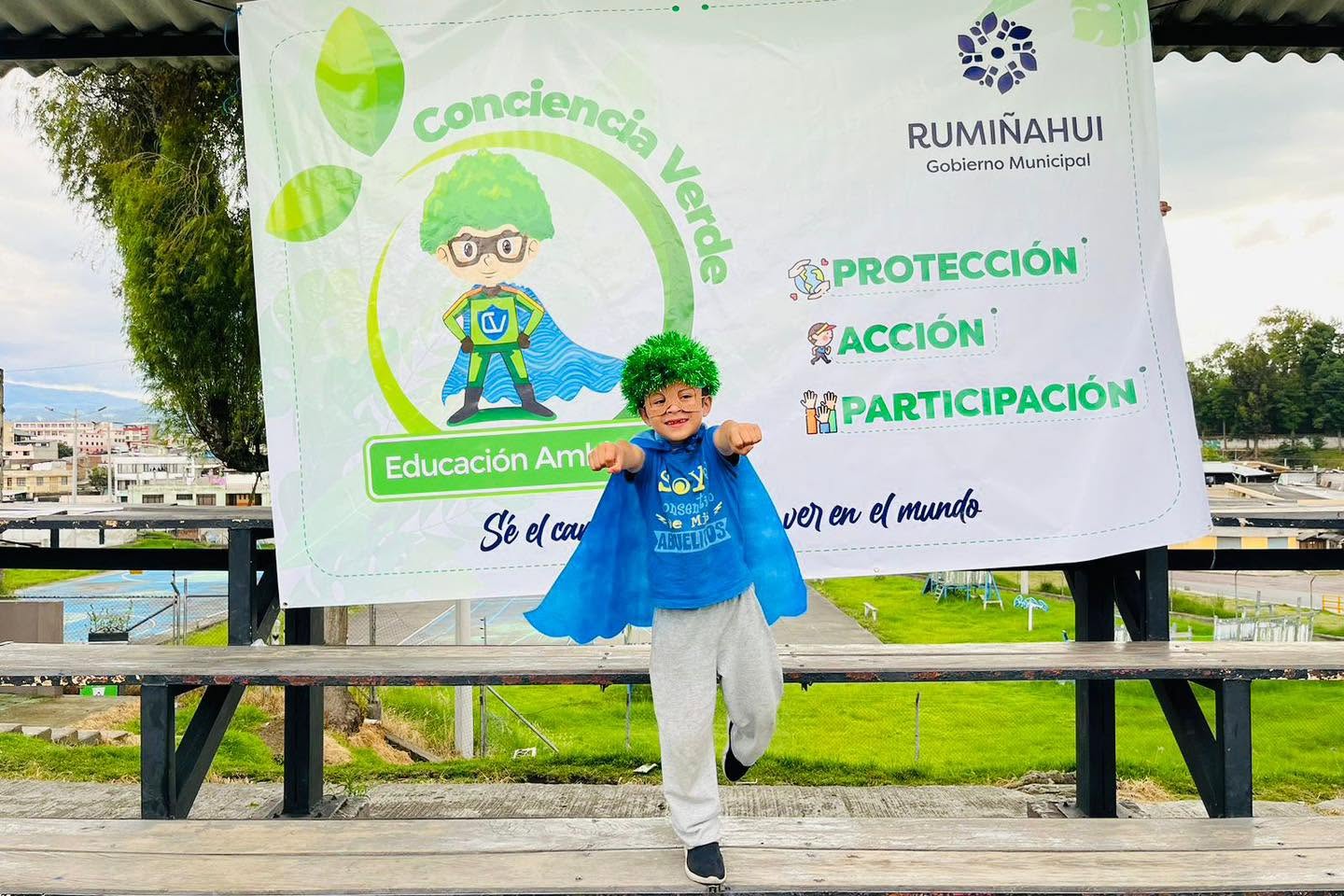
A smiling boy in a blue cape and green tinsel wig striking a superhero pose
01Proposed

Environmental Education for Children

Encourage children to understand the natural world and develop environmental awareness.

Intended participants
Children aged 4–12, with their educators
Educational approach
Play, stories, observation and hands-on activities adapted by age.
Potential activities
  • Age-appropriate learning sessions
  • Nature storytelling
  • Outdoor observation walks
  • Creative activities with reused materials
Why it matters
Builds the foundation of environmental knowledge early.
02Proposed

Nature Awareness and Biodiversity

Help children and families recognise local plants, animals and ecosystems.

Intended participants
Children, families and schools
Educational approach
Guided observation and simple field notebooks.
Potential activities
  • Bird and insect observation
  • Native plant identification
  • Biodiversity drawing journals
Why it matters
Connects children with Colombia's living richness.
03Proposed

Recycling and Waste Reduction

Encourage reducing, reusing and correctly separating waste.

Intended participants
Children, families and school communities
Educational approach
Practical sorting games using Colombia's colour code.
Potential activities
  • Waste-sorting games
  • Reuse workshops
  • School recycling corners
Why it matters
Reduces pollution and builds everyday habits.
04Proposed

Tree Planting and Green Spaces

Promote care for trees, gardens and urban green spaces.

Intended participants
Children, families and community groups
Educational approach
Planting and caring for native species with appropriate permissions.
Potential activities
  • Native tree planting (with authorisation)
  • School and community gardens
  • Green-space care days
Why it matters
Green spaces cool cities and shelter wildlife.
05Proposed

Water Conservation

Promote understanding of water as a limited, shared resource.

Intended participants
Children and families
Educational approach
Simple experiments and home water challenges.
Potential activities
  • Water-cycle activities
  • Home water-saving challenges
  • Learning about local streams
Why it matters
Protects rivers and future water access.
06Proposed

Climate and Environmental Awareness

Explain climate change in clear, hopeful, age-appropriate terms.

Intended participants
Older children and adolescents
Educational approach
Discussion and solution-focused activities, avoiding fear.
Potential activities
  • Climate explainers
  • Energy-saving ideas
  • Solution-mapping workshops
Why it matters
Builds informed, constructive citizens.
07Proposed

Children's Participation in Environmental Activities

Give children a real voice in caring for their surroundings.

Intended participants
Children with supervising adults
Educational approach
Child-led ideas, adult-supported, safeguarding first.
Potential activities
  • Children's environmental committees
  • Small community projects
  • Environmental art
Why it matters
Participation turns knowledge into action.
08Proposed

Environmental Awareness for Families

Extend environmental learning into the home.

Intended participants
Parents, caregivers and children
Educational approach
Shared activities and practical guides.
Potential activities
  • Family workshops
  • Home composting guides
  • Sustainable household tips
Why it matters
Habits are built at home.
09Proposed

Environmental Communication

Share accurate environmental information with the community.

Intended participants
General public
Educational approach
Clear, sourced, positive messaging.
Potential activities
  • Educational posts and guides
  • Awareness materials
  • Resource centre articles
Why it matters
Good information supports good decisions.
10Proposed

Community Environmental Cooperation

Encourage cooperation around shared environmental interests.

Intended participants
Community organisations, schools and local initiatives
Educational approach
Transparent, documented collaboration.
Potential activities
  • Educational collaboration
  • Community awareness initiatives
  • Knowledge-sharing activities
Why it matters
Collective action reaches further.

Across every program

Accessibility. Activities are adapted for children with disabilities and offered free of barriers wherever possible.

Safeguarding. Adult supervision, parental consent and our safeguarding framework apply to every activity.

Cooperation. Schools and community groups can propose joint activities — see partnerships.