01
Why children should learn about nature
Contact with nature supports curiosity, observation and a sense of belonging. Children who know their environment are more likely to care for it.
Environmental education
Environmental education is the process of learning how natural systems work, how human activity affects them, and how we can make responsible choices. It combines knowledge, values and practical skills.
This page offers general educational information. It is not a substitute for professional environmental assessments or official scientific guidance.
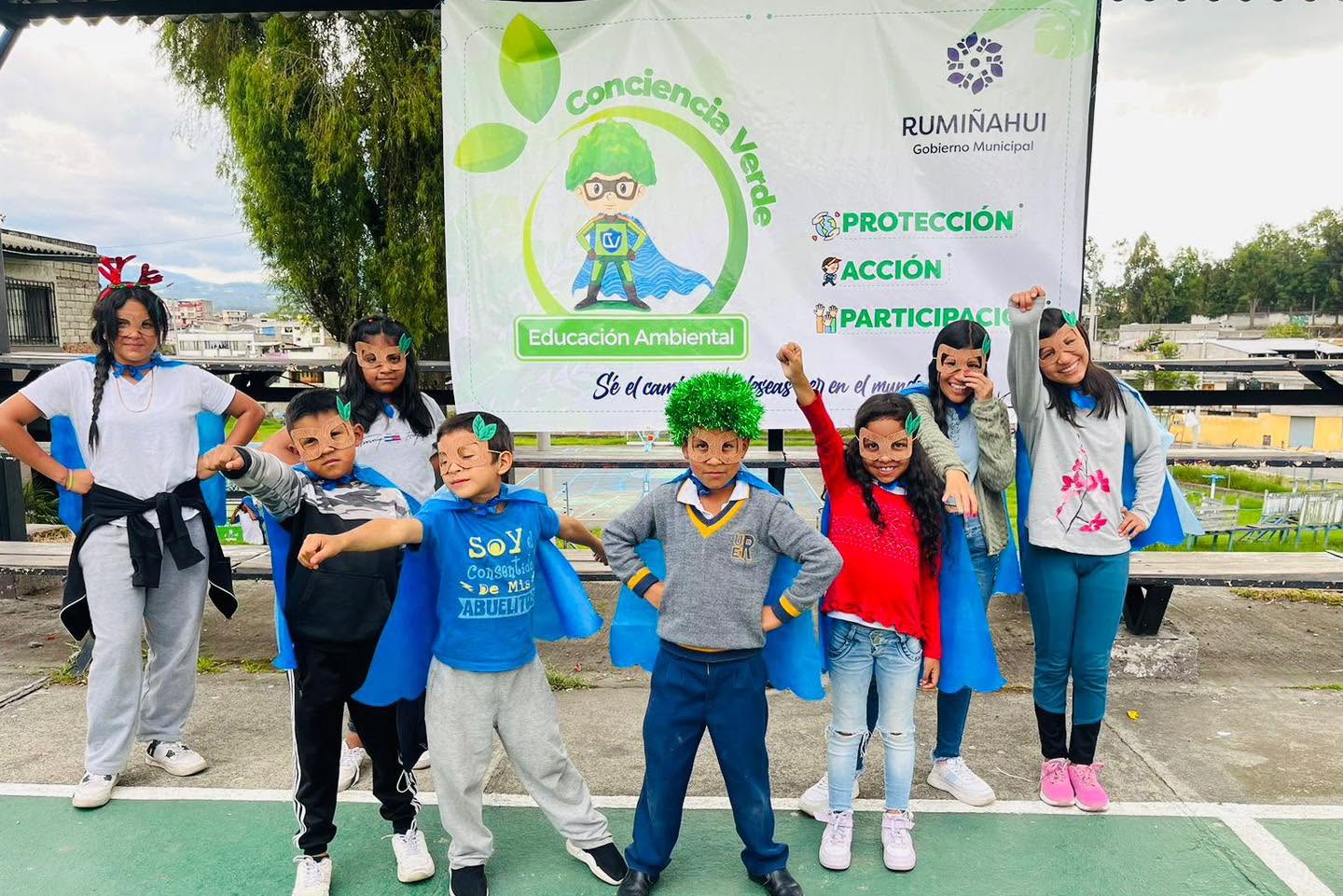
Contact with nature supports curiosity, observation and a sense of belonging. Children who know their environment are more likely to care for it.
The variety of living things — from insects in a garden to forests in the Andes — and the relationships between them.
Communities of plants, animals, fungi and micro-organisms interacting with soil, water and air. Each part depends on others.
Closing the tap while brushing, reporting leaks and protecting streams helps keep water available for everyone.
Reduce first, reuse second, recycle third. Learning to separate waste correctly at home makes recycling possible.
Buying what we need, choosing durable and reusable items, and caring for what we already own.
Understanding, in simple terms, how energy use and deforestation influence the climate and what everyday choices can help.
Parks, gardens and trees cool cities, clean the air and give wildlife a home — and give children places to play.
Saving energy, composting, separating waste and caring for plants are lessons that start in the family.
Clean-ups, school gardens and neighbourhood conversations show that environmental care is shared.
Questions, ideas or a proposal to work together?